

PFAS in Well Water: What Hudson Valley Residents Should Know About “Forever Chemicals”
Home » Pro Tips » Water Treatment » PFAS in Well Water: What Hudson Valley Residents Should Know About “Forever Chemicals”
Most people have probably heard the term “forever chemicals” and have some idea that these are not something you want in your water supply.
But, what exactly is a forever chemical? And what are you, as a home or business owner, supposed to do about them?
In this Pro Tip, we will answer your questions about PFAS and provide practical advice for making sure they don’t impact your health and wellbeing.
WHAT ARE PFAS?
Per- and polyfluoroalkyl substances (PFAS) are compounds used in a variety of applications. They are also known as “forever chemicals” because they don’t break down easily, making them useful for non-stick cookware, weatherproof clothing, firefighting foam, and other uses.
Unfortunately, the same chemical properties that make them beneficial can also make them difficult to dispose of. Since PFAS chemical structures are so durable, they remain largely intact as they enter into the environment.
This can result in them soaking into the groundwater supply and coming into homes and businesses through well water, where they may be ingested or absorbed through the skin.
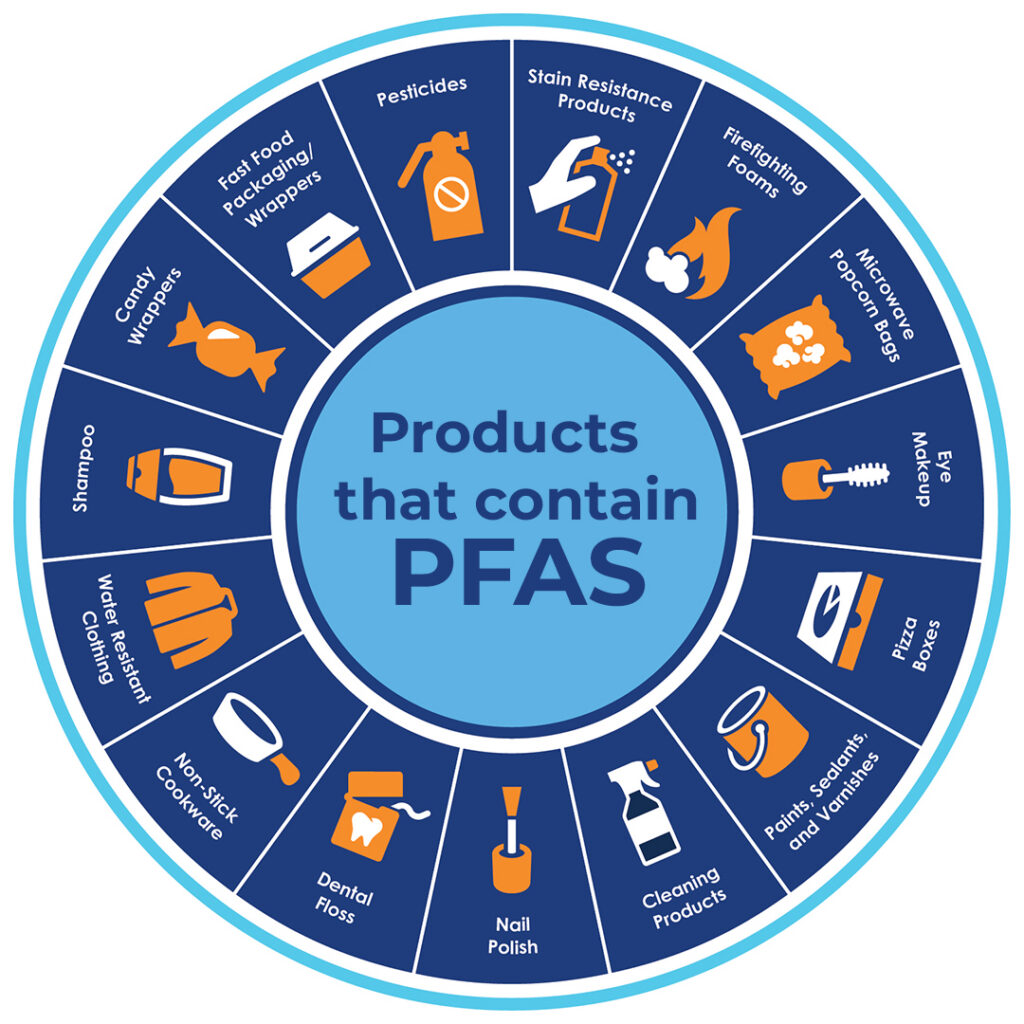
While forever chemicals are used throughout the country, certain areas are more at risk of contaminated water than others. The Hudson Valley has proven to be particularly susceptible to PFAS because they got into the ground years ago from things like firefighting foam, industry, and landfills.
Because these chemicals don’t break down and move easily through water, they’ve spread into groundwater over time—and that’s what our wells draw from. Luckily, New York State is committed to reducing exposure to these chemicals in our drinking water, with programs dedicated to protecting public health by helping communities like ours comply with drinking water standards at both the state and federal levels.

WHAT IS THE RISK?
Health implications of PFAS exposure vary based on…
- The level and duration of the exposure
- Age and developmental stage of the person
- Individual sensitivity
Long-term subjection to PFAS has shown association with various adverse health effects, including increased cancer risk, reproductive issues, and immune system dysfunction. Exposure can occur both when the chemicals are ingested and when they are absorbed through skin via showering or handwashing. This makes it critical to protect the water supply in the entire home or business, not just from the sources that provide drinking water.
Water testing, for both PFAS and other toxins, should be conducted regularly in homes and businesses, especially if there has been…
- Unusual taste or odor
- Discolored water or staining on fixtures
- Sediment in faucets or filters
- Dry or irritated skin after showering
- Changes after heavy rain or flooding
Even without noticeable changes, testing is still critical to ensure water safety.
Part of what compounds the risk with PFAS is that, unlike other contaminants that may leave clues such as a residue or strange taste, forever chemicals are invisible, odorless, and tasteless.
WHAT SHOULD YOU DO?
The thought of “forever chemicals” with long, complicated names in your drinking water can seem scary, but it is important not to panic. There are plenty of proven solutions to help remove contaminants and mitigate the risks of PFAS.
First, the most important step home and business owners with private wells can take is to get their water tested. Testing is the only way to reliably determine if there is contamination and inform how to remove it.
If elevated PFAS levels are detected, a professional home services provider like DS Home Services can help install solutions, such as…
- Granular activated carbon filtration: This system stops contaminants as they enter the home before they get into your plumbing system, protecting both people and plumbing.
- Specialized ion exchange systems: By replacing harmful ions and contaminants with beneficial ones, these systems soften and purify water for residential and commercial applications.
- Reverse osmosis: For more effective purification, reverse osmosis removes up to 99.9% of contaminants and sediments, including particles as small as .001 micron.
Carbon filtration and ion exchange systems are often used as point-of-entry solutions, meaning that they filter contaminants out of water as it travels from the well and into the home or building. Reverse osmosis systems are more commonly used as point-of-use systems, providing additional security for sources of drinking or cooking water, such as kitchen sinks. Most PFAS removal strategies include a combination of both point-of-entry and point-of-use solutions. It is also important to develop a plan for regular maintenance and further testing to ensure the mitigation measures remain effective and PFAS levels stay low.
Before installing any of these solutions, residents and business owners should check with their local health department to see if any mitigation assistance is available. PFAS relief programs are common in high-risk areas and may offer resources like free testing or reimbursements to eligible applicants, but only for qualified systems.
WHO SHOULD YOU CALL?
We Believe clean water is not a luxury, it’s a necessity and the lifeblood of a healthy home. DS Home Services has remediation systems designed and ready to install for PFAS’ or any water quality issue you may have. If DS Home Services doesn’t cover your area refer to the DOH website for your local county or state and search “PFAS”. In NYS go to Healthy NY, use search window and enter “PFAS” for information, and “PFAS contractor” for any available directory’s of contractors.
Enter your contact information to stay up to date on the latest news and Pro Tips from DS Home Services today, and receive $100 off any water treatment or water quality installation. Want to learn more about PFAS and what to do about them? Read our Free PFAS Well Water Testing in the Hudson Valley: What Homeowners Need to Know and What to Do If Your Well Water Tests Positive for PFAS: A Hudson Valley Homeowner’s Guide posts, in the Hudson Valley PFAS series.